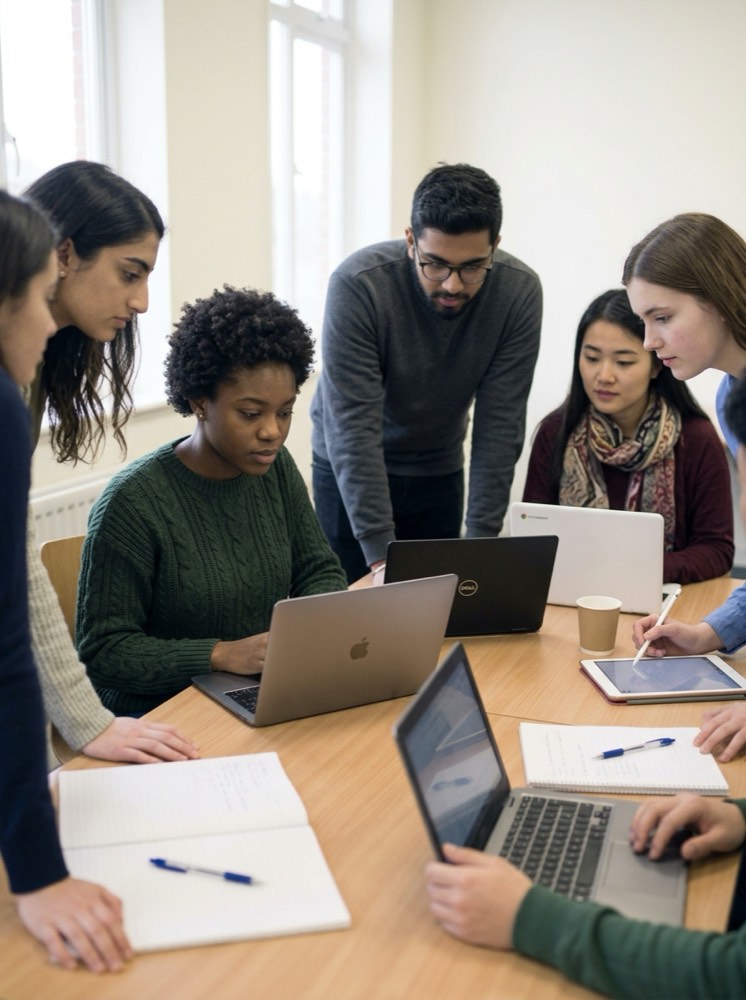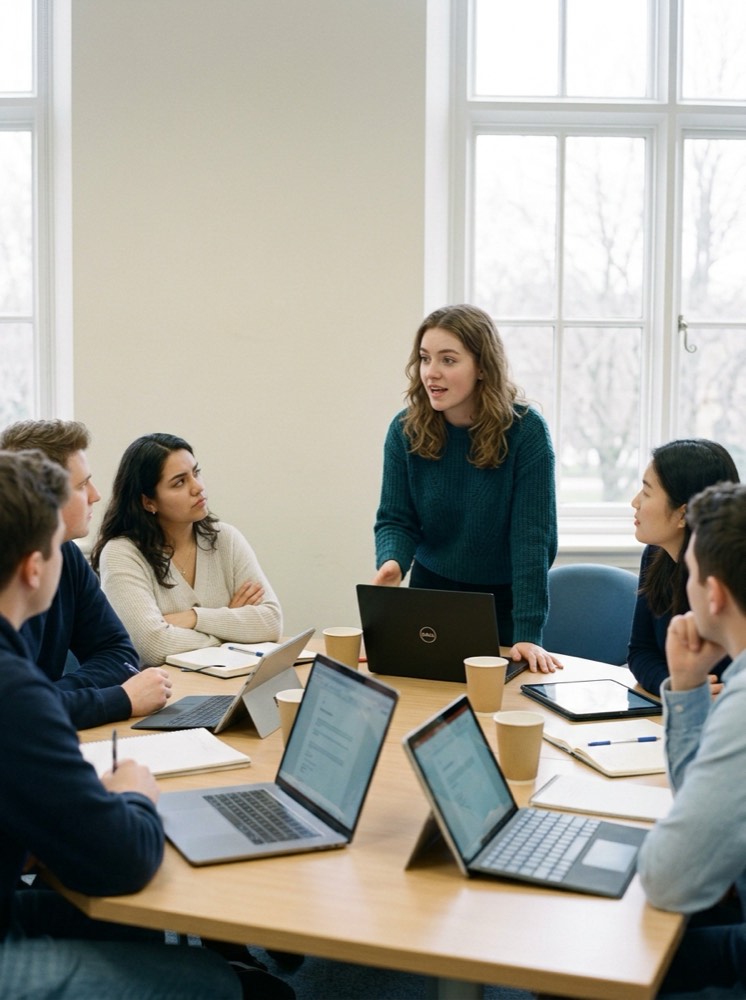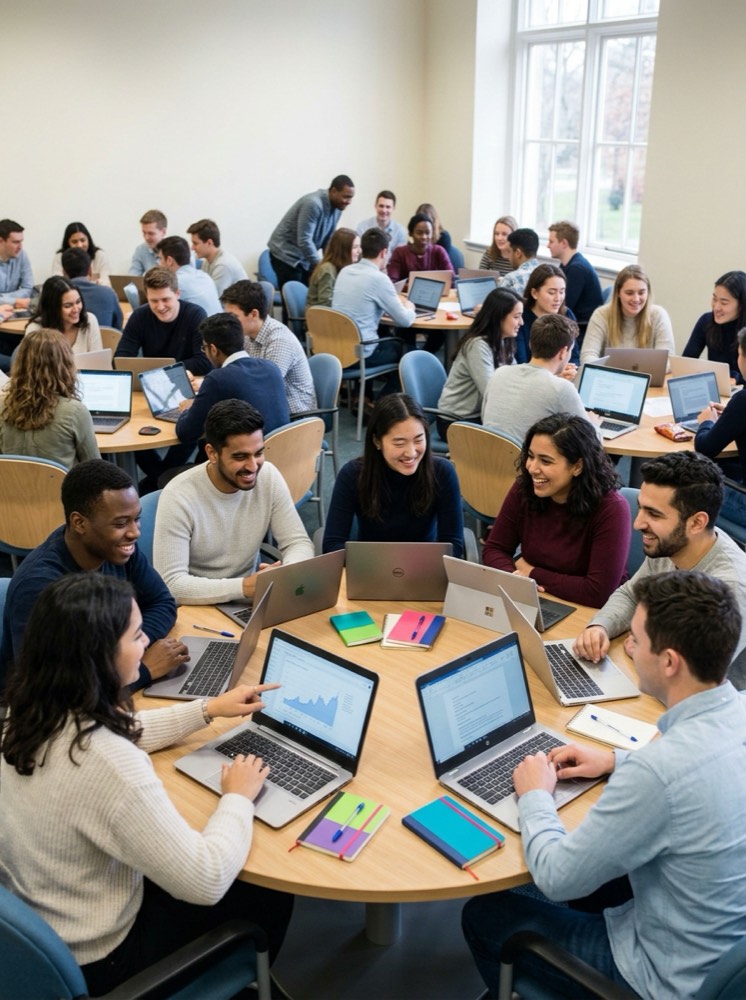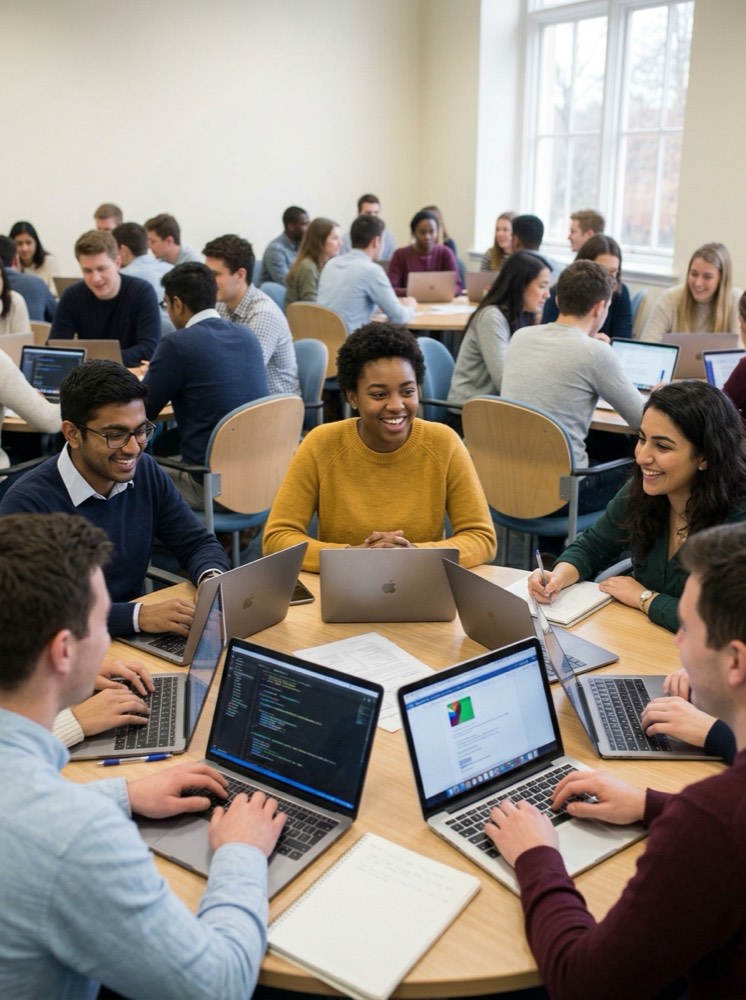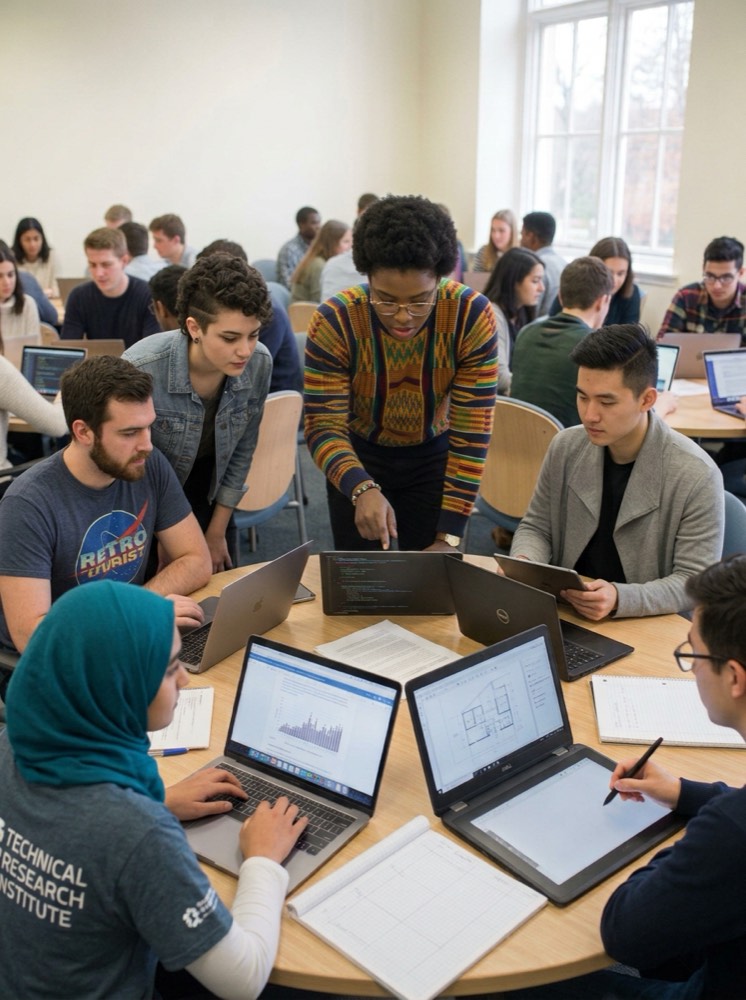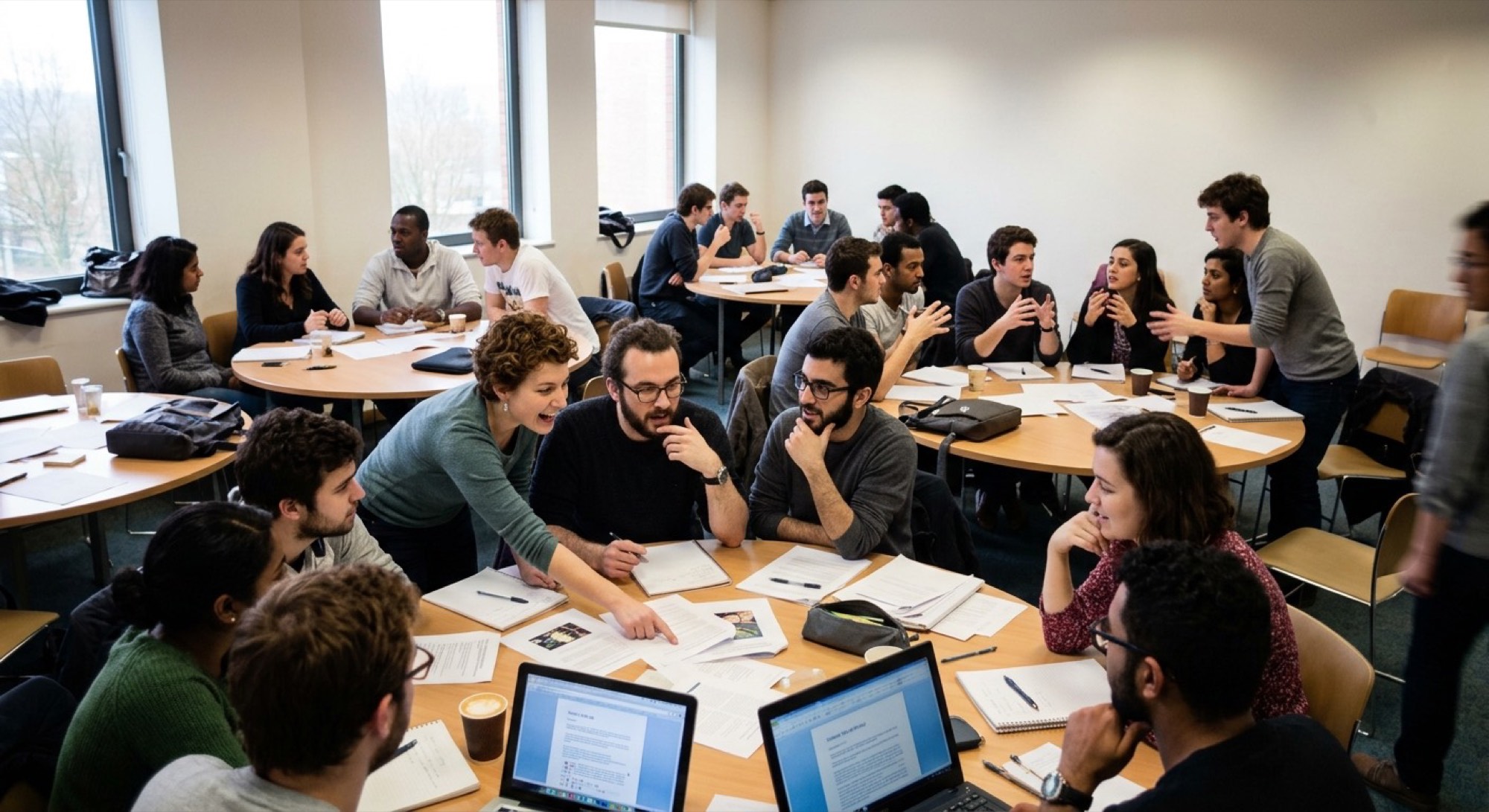
In teams, students take executive roles inside competing companies. The market moves in real time, the news breaks in real time, and the other four companies deciding what happens next are the teams sitting across the room.
Our founders have taught and led simulations at
Entrepreneurs taught worldwide by our founders through Lamba.
Running business simulations for university students, six of them at ESCP Business School across Paris, London and Berlin.
Students who have played a simulation led by Dr Elsa El Hachem-Kirby.
Geopolitical shifts redraw supply routes. Social movements reshape what customers will accept. Policy, capital, and sentiment now move faster than any planning cycle. Tariffs land, borders close, currencies drop six points overnight. This is the environment in which your players will be making executive decisions.
Every student faces a first consequential decision. Most face it after they're hired, with a real company on the line. This game moves that moment earlier, into a room where the cost of being wrong is a grade, not a quarter's revenue.
AI can analyse. Leaders must decide.
The numbers move while they're still arguing.
Marketing, finance, operations, people, all in the same room, making one call.
Every player owns one role and one set of numbers. Each round, the team compares notes and decides together. Only then do they see the whole picture.
A headline can flip the market mid-round. Four other teams are already moving it. Everyone has to react on the spot.
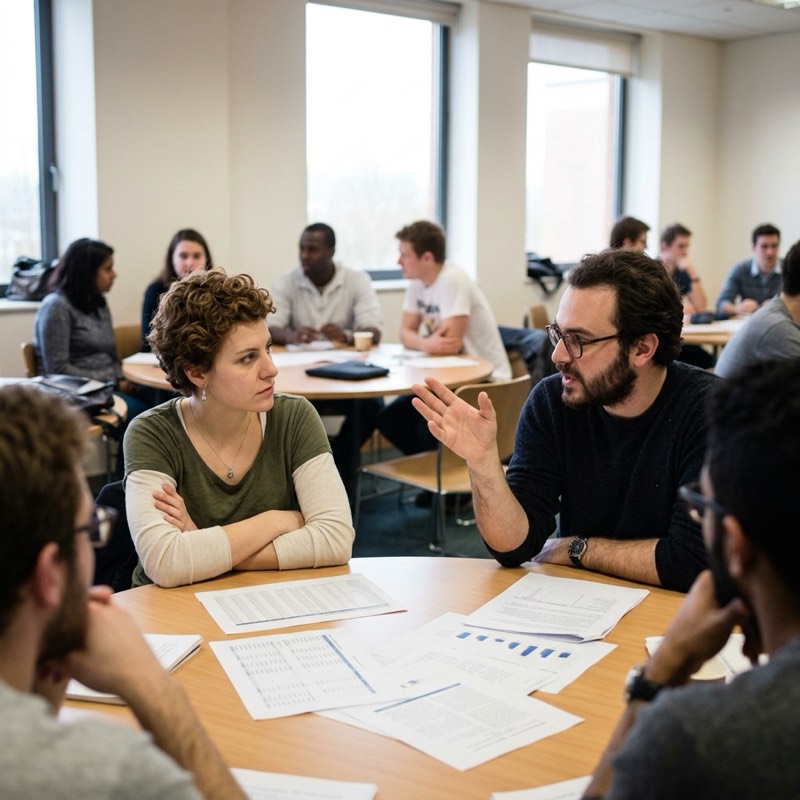
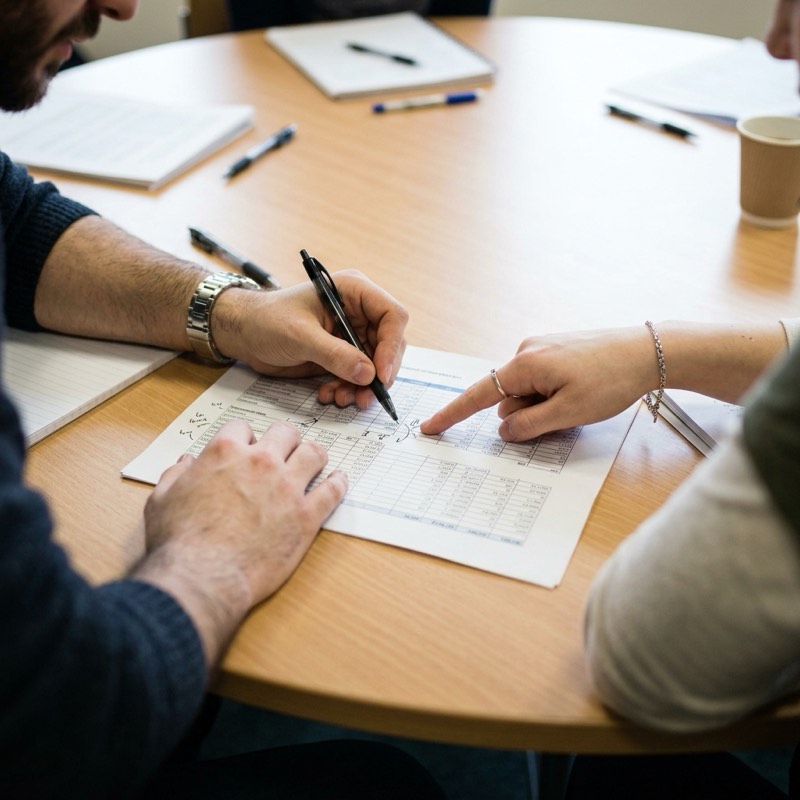
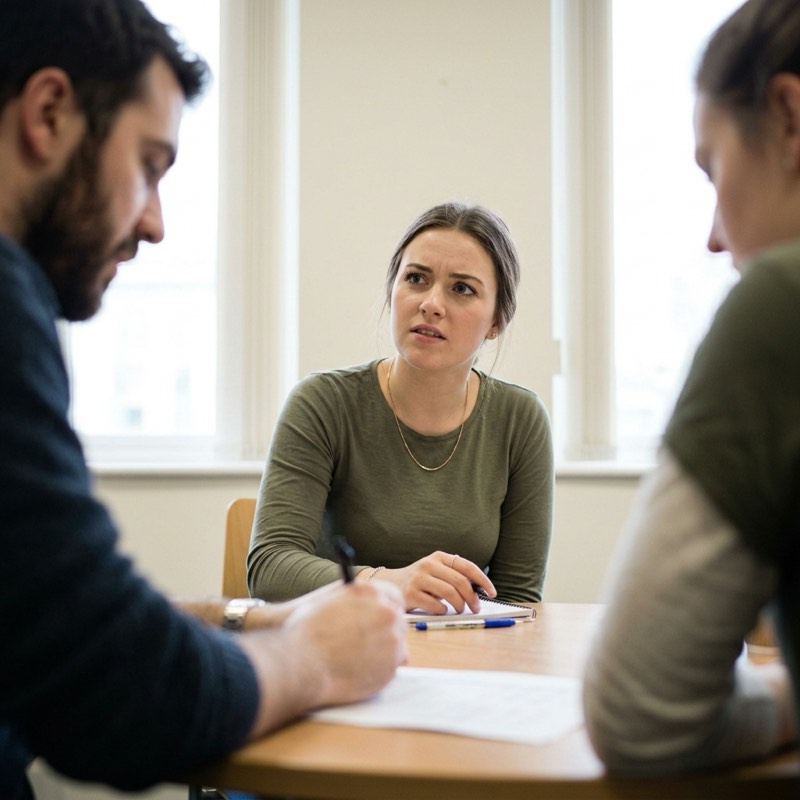
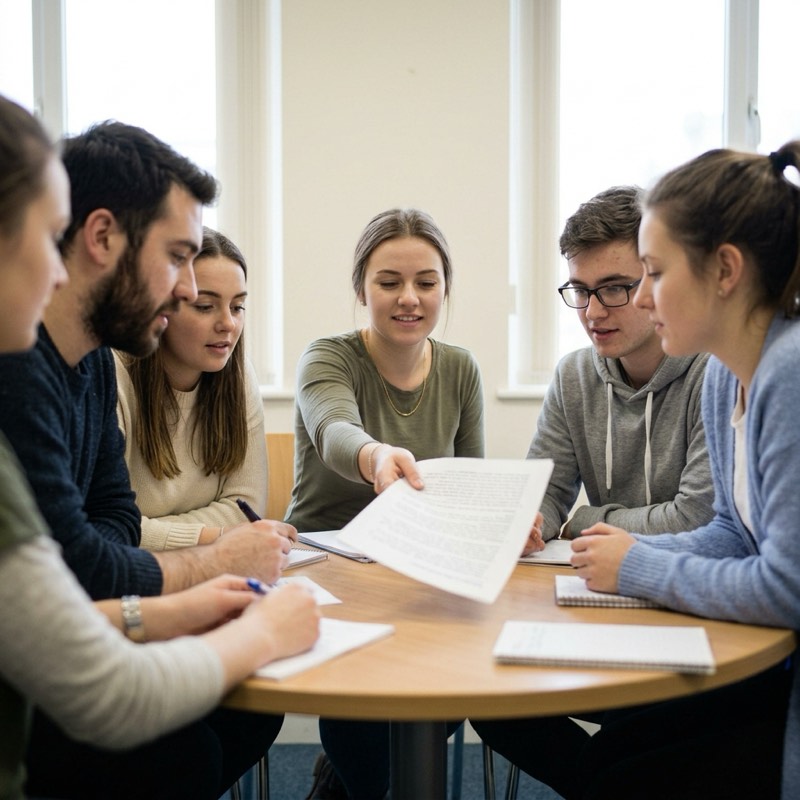
The hardest part is not the decision, it is agreeing on it in time. Five perspectives, one call, and a clock.
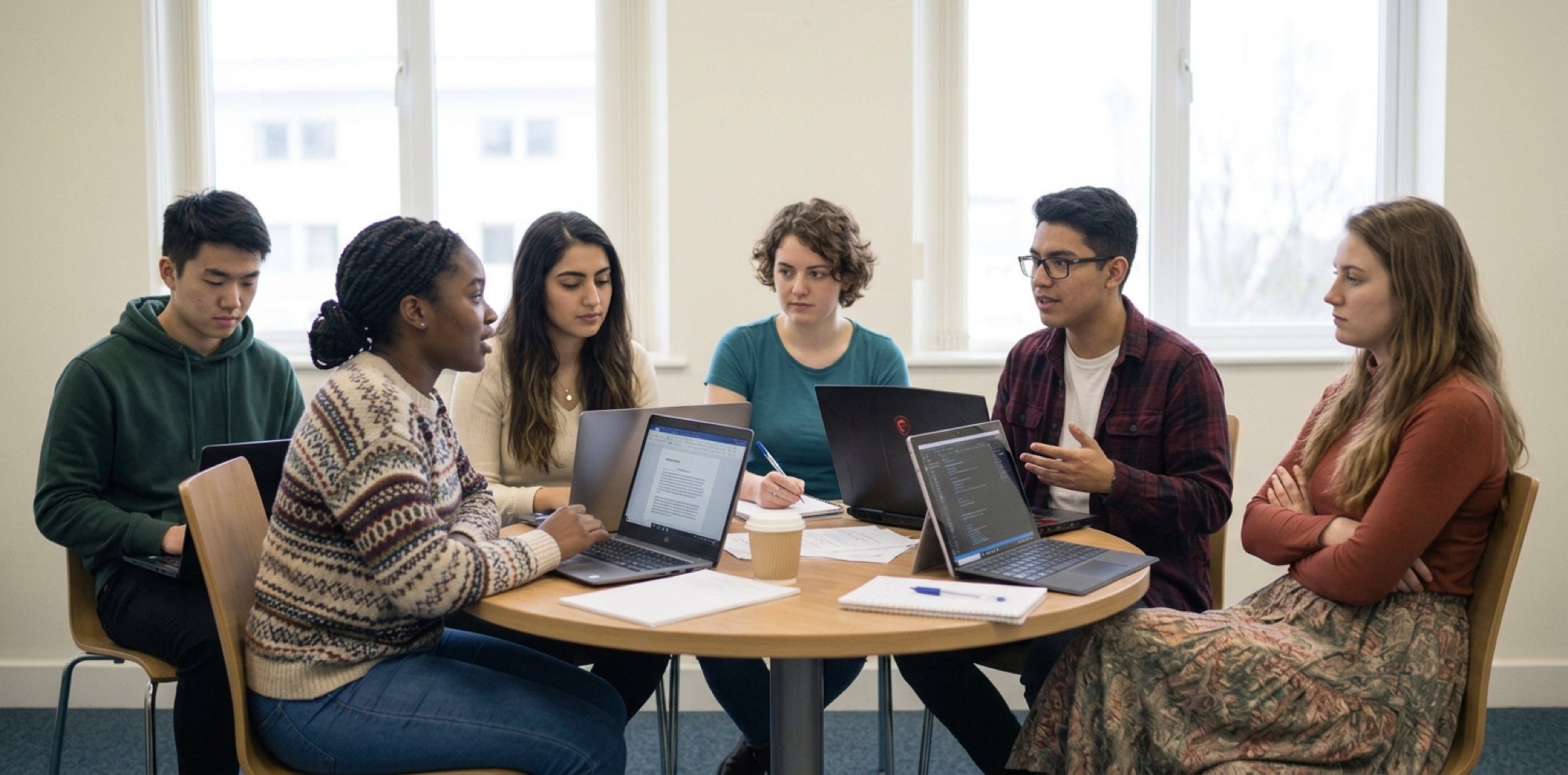
Students make the case from their own numbers, to people holding different numbers.
They learn to disagree well, which is the rarest skill in any boardroom.
Consensus is expensive and so is delay. They find the balance themselves.
Someone has to. They discover whether they are that person.
No logins, no homework, no working alone at a laptop. Three days in one room, five companies at five tables, close enough to hear each other.
Students sit together for three days and work the way a real team works: in the same place, at the same time.
The market is not an opponent on a server. It is four other student-run companies they can see across the room.
Five things they leave with. Scroll through them.
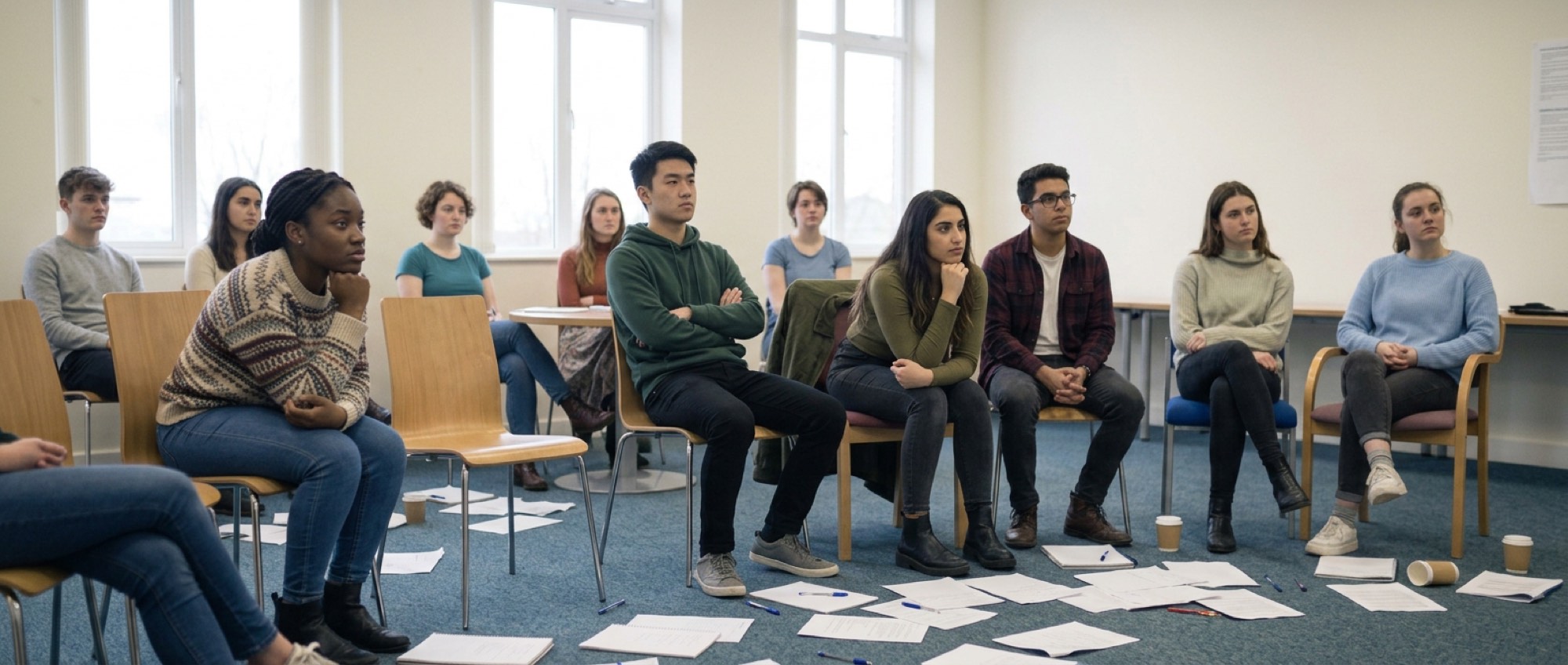
Every decision is replayed, defended and explained.
Students see the whole market's history, including what their competitors were thinking.
Led by a sociologist and a serial entrepreneur together, which is what makes the debrief worth as much as the game.
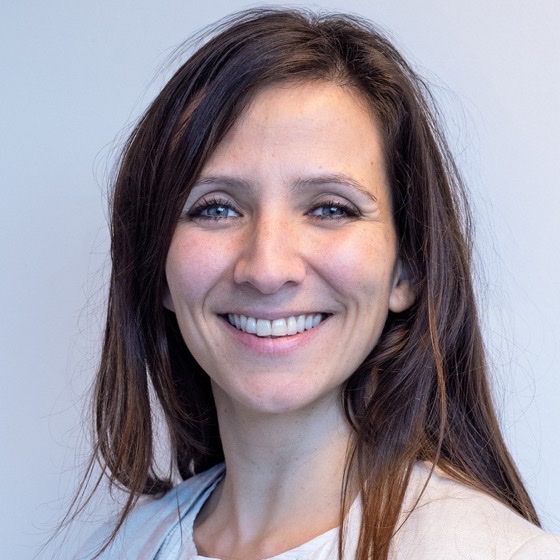
Elsa has spent thirteen years running business simulations for university students, six of them as a business game animator at ESCP Business School across its Paris, London and Berlin campuses. More than a thousand students have played a game she has led.
Her doctorate is in sociology, and that is why this game is different. The parts most simulations leave out, how customers really behave, what pressure does to a team, how a reputation is built and spent, come from someone who has spent a career studying exactly that and years watching students live it in a room.
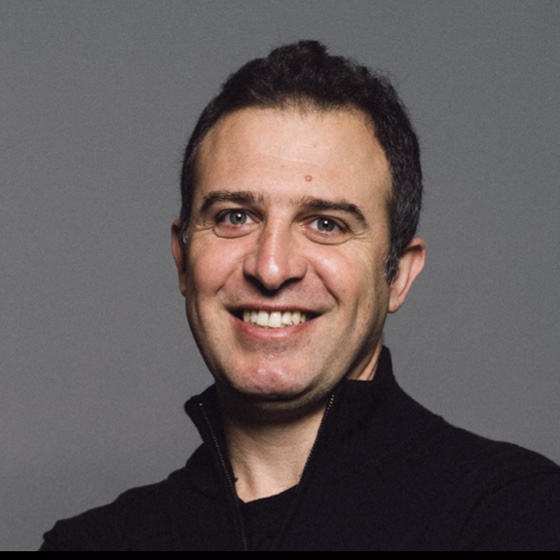
Nagi is a serial entrepreneur who has built and run companies, and has taught entrepreneurship to more than 12,000 people worldwide through Lamba, in universities and business schools, in accelerators and government programmes, and inside companies.
The decisions students face in the game are the ones he has made himself, with his own money and his own teams on the line. That is what keeps the simulation honest.
Twenty minutes. We will show you how it plays and work out whether it belongs in your program.
Not ready to talk? Read the format and logistics.